
The Complete Moving Checklist: 8 Weeks to Moving Day
Moving soon? This friendly week-by-week moving checklist walks you through all six phases, from eight weeks out to settling in, one checkable task at a time.

The complete moving checklist: 8 weeks to moving day
Here's the secret to a smooth move: do the right tasks at the right time, and nothing piles up. This checklist breaks the whole thing into six phases, from eight weeks out through post-move, with every item written as a single, checkable action. Got fewer than eight weeks? Don't panic: combine the earliest phases and focus on booking transportation, arranging utilities, filing a change of address, and confirming move-day logistics. Bookmark or print this page; it doubles as a reusable template for any future move.
How to use this moving checklist
The checklist has six phases: 8 weeks before, 4 weeks before, 2 weeks before, moving week, moving day, and after the move. Work through them in order and check things off as you go. That's it.
One tip before you start: create one master folder (physical or digital) for every quote, confirmation number, account number, receipt, and deadline tied to the move. Keeping it all in one place saves you from digging through emails at the worst possible moment.
Short on time? If you've got fewer than eight weeks, collapse the 8-week and 4-week phases into one. Hit the most urgent tasks first: book movers or a truck, schedule utilities at both addresses, submit your USPS change of address, pack essentials, and confirm move-day access at both properties.
And don't worry about how you're moving. This checklist works whether you hire professional movers, rent a truck, use a moving container, or mix and match. Check off what applies, skip what doesn't.
8 weeks before moving day: decisions and research
Eight weeks out is when you make the calls that shape everything else: your budget, your moving method, and how much stuff actually comes with you. Rush these and you end up overspending, stuck with an unreliable mover, or hunting for things you forgot. Nail them now, and the rest of the timeline pretty much runs itself.
Set your budget and choose a moving method
- [ ] Confirm your move date and destination address. Everything else depends on these two facts.
- [ ] Set a moving budget. Include deposits, travel costs, packing supplies, storage fees, cleaning, tips, and possible service fees.
- [ ] Decide between professional movers, a rental truck, a moving container, or a combination.
- [ ] Request at least three written estimates if hiring movers. Compare binding vs. non-binding estimates and confirm what services each includes. A verbal rate quote is not the same as an official written estimate per FMCSA regulations.
- [ ] Confirm acceptable payment methods before committing to any company.

How do I verify a moving company?
- [ ] Verify that any interstate mover is registered with FMCSA and holds a valid U.S. DOT number. Search the FMCSA database to confirm registration, complaint history, and insurance status.
- [ ] Confirm whether the company is a mover or a broker. A broker arranges the move but does not transport your goods; a mover does.
- [ ] Ask about liability coverage options. Interstate movers must offer Full Value Protection. The other option, released valuation, covers only 60 cents per pound per article, per FMCSA guidance.
- [ ] Review the moving contract, estimate, and included services before signing anything. The FTC warns against movers who demand cash or a large deposit before the move.
- [ ] Watch for red flags: no physical address, no in-home or virtual survey, vague estimates, or pressure to sign right away.
Note: Federal rules apply to interstate moves. State rules govern local and intrastate moves; check your state consumer-protection agency for the rules that apply to you.
Start decluttering and inventory
- [ ] Create a room-by-room home inventory. Photograph valuable, fragile, and high-cost items for insurance and claims purposes.
- [ ] Begin decluttering: donate, sell, recycle, or discard items you won't move. Less stuff means lower costs and faster packing.
- [ ] Measure large furniture and confirm it fits through doorways and into rooms at the new property.
- [ ] Identify specialty items that need special handling: pianos, safes, artwork, antiques, firearms, vehicles, or plants.
Check requirements at both properties
- [ ] Review lease terms, closing timeline, HOA rules, building move-in/move-out policies, and permit needs at both the old and new addresses.
- [ ] Reserve storage if there is a gap between your move-out and move-in dates.
- [ ] Request time off work and arrange childcare or pet care for moving day.
4 weeks before moving day: admin and packing start
At four weeks out, your focus shifts from research to action. You're locking in logistics, starting to pack, and knocking out the admin tasks that take longer than anyone expects: utility scheduling, change-of-address notices, and records transfers. Don't sit on these; many need processing time.
Notify your landlord and coordinate access
- [ ] Give your landlord written move-out notice per your lease and local law.
- [ ] Confirm elevator, loading-dock, and parking reservations or permits at both the old and new locations. Check truck-size limits.
- [ ] Confirm any certificate-of-insurance (COI) needs and request one from the mover if the building requires it.
When should I schedule utilities?
- [ ] Schedule utility shutoff or transfer at the old address: electricity, gas, water, and trash.
- [ ] Schedule utility activation at the new address, including electricity, gas, water, trash, internet, and any security systems.
- [ ] Confirm activation dates align with your move-in date so nothing is missed. You need working lights, water, and climate control the moment you arrive.
- [ ] Keep old-address services active long enough for cleaning and the final walkthrough.
- [ ] Give each utility provider a forwarding address for final bills. Record every confirmation number in your master folder.
Build your change-of-address list
- [ ] Create a master change-of-address list that includes: USPS, banks, credit cards, loan servicers, insurance companies, employers, subscriptions, healthcare providers, online retailers, and government agencies (IRS, Social Security Administration, DMV, voter registration).
Key point: USPS mail forwarding changes only your mailing address with the Post Office. It does not update your address with banks, insurers, employers, the IRS, SSA, DMV, or any other organization. You'll need to contact each one directly. (USPS)
Begin packing and transferring records
- [ ] Order packing supplies: boxes, tape, labels, wrapping materials, and specialty supplies (dish packs, wardrobe boxes, mattress bags).
- [ ] Pack seasonal, decorative, storage-area, and rarely used items first. These are the easiest to live without.
- [ ] Label every box with its destination room and a brief contents list.
- [ ] Request school, medical, dental, and veterinary records transfers if applicable.
- [ ] Review and update homeowners or renters insurance for the new address. Confirm whether your policy covers belongings during transit or whether you need moving valuation coverage.
- [ ] Arrange vehicle shipping or map a long-distance driving route if applicable.
2 weeks before moving day: confirmations and final packing
Two weeks out is confirmation time. Every reservation, every utility activation, and every change of address should be submitted or double-checked now. It's also when you pack up most of the house, leaving out only the things you use every day.
Submit your USPS change of address
- [ ] File your change-of-address request online at usps.com. Identity verification is required; the current fee is $1.25.
- [ ] Allow up to two weeks for forwarding to begin. USPS notes forwarding may start within three business days but recommends a two-week lead time.
- [ ] Update addresses directly with banks, insurers, employers, subscriptions, and government agencies. Do not rely on USPS forwarding alone.
Confirm every reservation
- [ ] Confirm the mover, rental truck, container, storage unit, or helpers. Verify the pickup date, delivery window, payment method, included services, and emergency contact numbers.
- [ ] Confirm utility activation and any install appointments (internet, security system) at the new address.
- [ ] Review the order for service from your mover, which should include the mover's U.S. DOT number, pickup and delivery dates, payment terms, and estimated charges per FMCSA requirements.
What should I not pack on a moving truck?
- [ ] Set aside items movers cannot transport: hazardous materials (paint, propane, lighter fluid, gasoline, fireworks, nail-polish remover, automotive chemicals), perishable food, and flammable liquids. Including undisclosed hazardous materials can void the mover's liability, per FMCSA household-goods rules.
- [ ] Ask the mover for its current prohibited-items list. Each company may have its own restrictions.
- [ ] Dispose of restricted items safely per local rules. Many cities have hazardous-waste drop-off days or locations.
Wrap up loose ends
- [ ] Finish packing most rooms. Leave only daily-use items out.
- [ ] Arrange transportation for pets, children, and all household members on moving day.
- [ ] Refill prescriptions and collect medical essentials.
- [ ] Clean rooms as they become empty.
- [ ] Schedule final cleaning, carpet cleaning, bulk-trash pickup, or donation collection.
- [ ] Notify key personal and professional contacts of the new address.
Moving week: final preparations
Moving week is all about closing out the old home and locking in every last move-day detail. No new research, no big decisions, just execution, confirmation, and the essentials box that'll keep you going through the transition.
What should I pack in a moving-day essentials box?
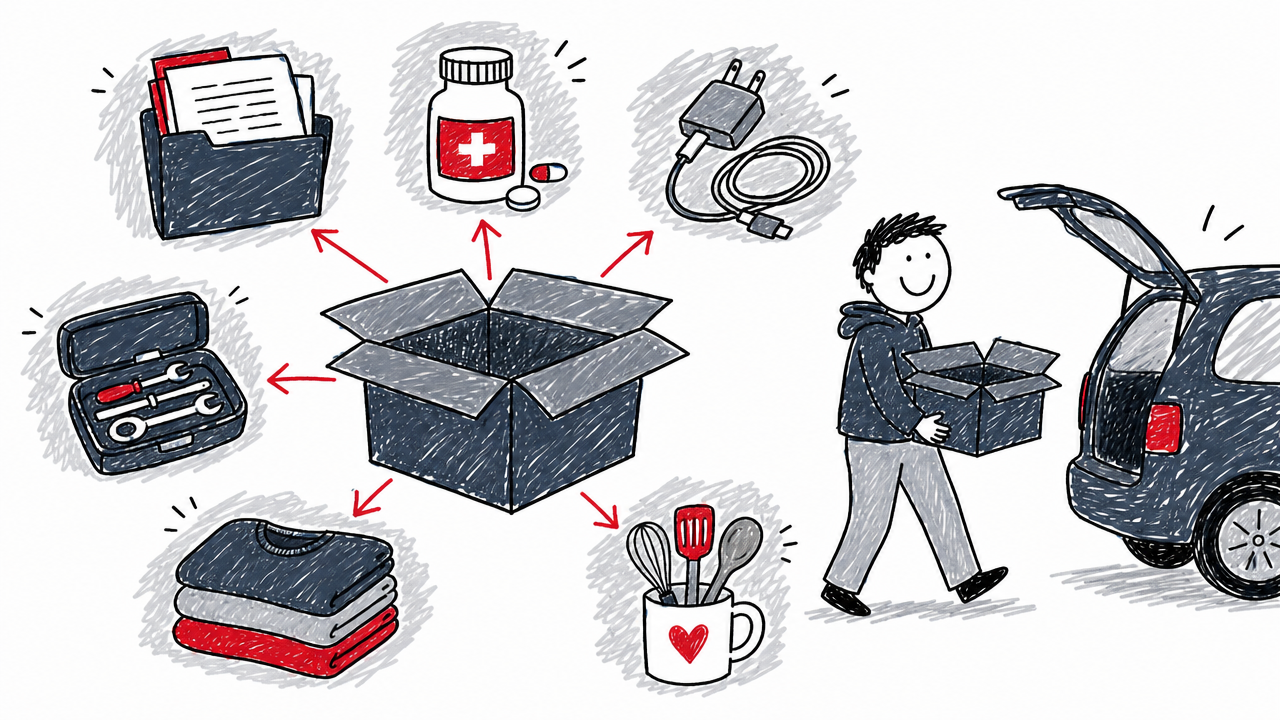
- [ ] Pack a clearly labeled essentials box with: toiletries, medications, phone chargers, a power bank, important documents, a basic tool kit (screwdriver, utility knife, pliers), one change of clothes per person, towels, snacks, water, trash bags, and cleaning supplies.
- [ ] This box travels with you, not on the truck. You need quick access to these items at both ends of the move.
Protect valuables and prep the home
- [ ] Keep high-value items with you: passports, birth certificates, financial records, house keys, jewelry, laptops, external drives, and irreplaceable photos.
- [ ] Defrost and clean the refrigerator and freezer at least 24 hours before the move.
- [ ] Disassemble furniture approved for disassembly. Bag and label all hardware, and tape it to the matching piece.
- [ ] Protect floors, walls, and doorways in high-traffic areas at the old address.
- [ ] Confirm final utility readings or account-closure dates at the old address.
- [ ] Confirm the moving crew's arrival time and provide clear access details (gate codes, parking info, which entrance to use).
- [ ] Set aside items the mover cannot transport so they are not loaded by mistake.
- [ ] Charge all phones and power banks.
- [ ] Have cash or the payment method required by the contract ready. For non-binding interstate estimates, be prepared for the mover to collect up to 110% of the estimated amount at delivery per FMCSA rules.
- [ ] If the shipment arrives later than you do, prepare a first-night plan: air mattress, bedding, basic kitchen items, and toiletries.
Moving day: loading, paperwork, and departure
Moving day isn't the time for guesswork. You've got two jobs: watch the loading and get the paperwork right. Every document you sign affects your ability to file a claim later, so read before you sign and photograph before it goes on the truck.
Supervise loading and review paperwork
- [ ] Verify the mover has the correct origin address, destination address, and contact numbers.
- [ ] Be present for loading or appoint a trusted stand-in. FMCSA recommends supervision at both pickup and delivery.
- [ ] Photograph valuable items and any pre-existing damage before loading.
- [ ] Review the shipment inventory carefully. The mover must list items and note existing damage or unusual wear. Both parties should sign each page.
- [ ] Read the estimate, order for service, and bill of lading before signing. These documents govern your rights.
- [ ] Do not sign blank or incomplete documents. The FTC and FMCSA both warn against this.
- [ ] Confirm payment terms and the delivery window with the crew lead.
- [ ] Keep the essentials box, valuables, documents, medications, and pets out of the truck.
What should I check before leaving my old home?
- [ ] Walk through every closet, cabinet, attic, garage, basement, outdoor area, and appliance interior. Open every door and drawer.
- [ ] Record final meter readings and take date-stamped photos of the property's condition.
- [ ] Complete the move-out walkthrough with the landlord or property manager when applicable.
- [ ] Lock the property. Return all keys, garage remotes, mailbox keys, and access cards to the right party.
After the move: unpack, inspect, and settle in
The move isn't done when the truck pulls away. This phase is what protects you financially and legally: inspect every item, document any damage right away, and close out the admin loose ends most people forget until a surprise bill or a rejected claim shows up.
Inspect delivery and document damage
- [ ] At delivery, check each item against the inventory before signing the delivery receipt.
- [ ] Photograph and note any missing or damaged items on the delivery paperwork right away. Do not accept "we'll fix it later" without written proof.
- [ ] Report damage promptly through the mover's claims process and within the timeline stated in your contract. FMCSA advises keeping all moving documents together for claims purposes.
- [ ] Keep the estimate, order for service, bill of lading, inventory, receipts, photos, and all claim letters in your master folder.
Confirm services and start unpacking
- [ ] Confirm electricity, gas, water, internet, trash pickup, and security systems are active at the new address.
- [ ] Unpack medications, bedding, toiletries, basic kitchen items, and work essentials first.
- [ ] Inspect furniture, appliances, and fragile items before throwing out packing materials. You may need boxes, wrapping, and photos as evidence for a damage claim.
What addresses should I update after moving?
- [ ] Update any accounts missed earlier: subscriptions, loyalty programs, online retailers, professional groups.
- [ ] Confirm USPS forwarding is active. Send a test letter to your old address if you want to verify. Notify senders of the permanent new address so they stop relying on forwarding.
- [ ] Complete DMV registration, vehicle title transfer, and voter registration per your new state's rules and deadlines.
- [ ] Return rental trucks, equipment, or storage-unit keys by the agreed deadline.
- [ ] Verify old utility accounts are closed and final bills are paid or scheduled.
- [ ] Follow up on the security deposit or closing-related items with the landlord, seller, or property manager.
Quick-reference: printable moving-day snapshot
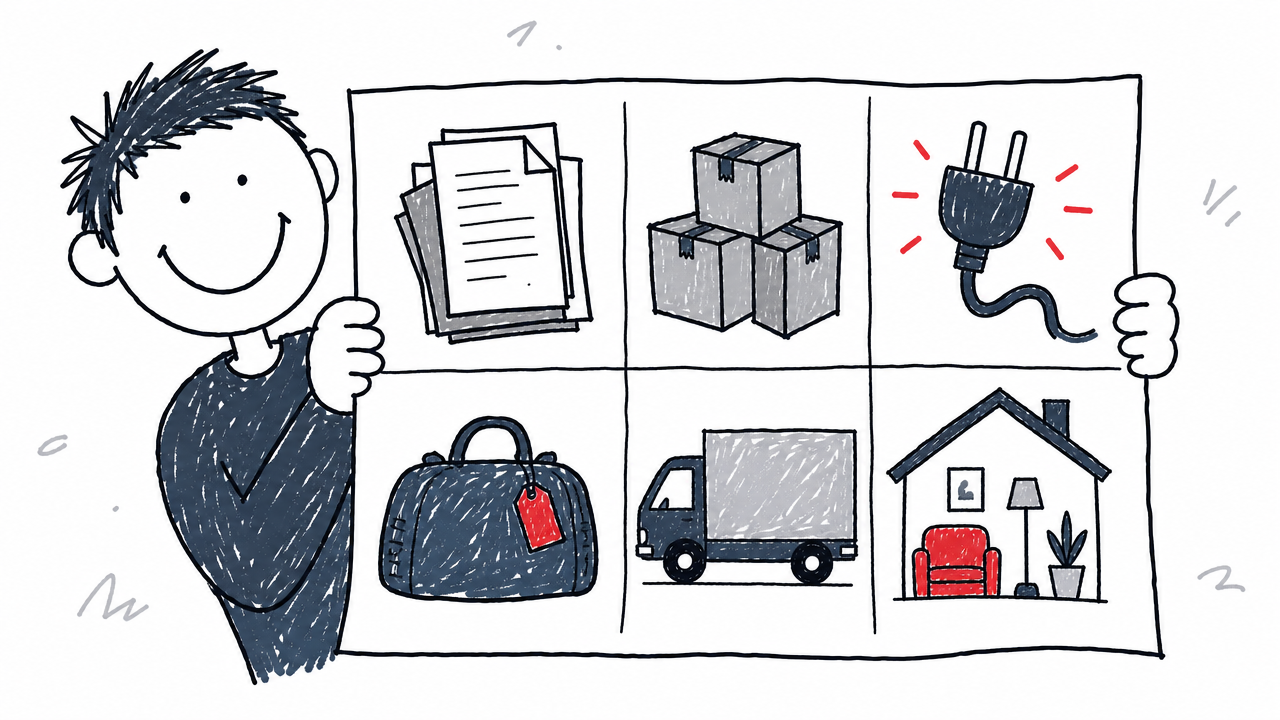
Want the whole move on one screen? Here are the five most critical tasks per phase:
FAQ
How early should I start planning a move?
Start eight weeks before your move date if you can. That gives you enough time to research movers, compare written estimates, schedule utilities, submit your USPS change of address, and pack at a steady pace instead of a frantic one. Less time? Merge the 8-week and 4-week phases and jump straight to booking transportation, arranging utilities, and confirming move-day access.
Does USPS forward my mail to banks and government agencies?
No, and this one catches a lot of people. USPS forwarding redirects mail sent to your old postal address, but it doesn't update your address with banks, insurers, employers, the IRS, Social Security Administration, or DMV. You'll need to contact each group directly. USPS itself states that a change-of-address order changes your mailing address with the Post Office only.
What should I do if something is damaged or missing after a move?
Note the damage or missing item on the delivery paperwork before you sign the receipt, and photograph everything right away. Then file a written claim with the mover within the deadline stated in your contract, and keep all your moving documents (estimate, bill of lading, inventory, photos, receipts) together. FMCSA advises keeping the full set of documents throughout the claims process.
What should I keep with me instead of giving to movers?
Passports, birth certificates, financial documents, medications, jewelry, laptops, external hard drives, house keys, the essentials box, and pets. None of these should ever go on the truck. If something is irreplaceable or you'll need it right away, keep it in your personal vehicle or carry it with you.
How can I use this checklist if I have less than eight weeks?
Combine the 8-week and 4-week phases into a single sprint. Knock out these tasks first: book your mover or rental truck, schedule utilities at both addresses, submit the USPS change of address, and confirm move-day access at both properties. Then work through the rest in order of urgency. The checklist still holds; only the timeline shrinks.